Continuous for Salesforce CPQ

Enable Complex Revenue Models in Salesforce CPQ

Salesforce CPQ works well for fixed pricing and subscriptions, but as teams introduce usage, credits, ramps, and hybrid deals, pricing logic starts to stretch beyond what CPQ was designed to manage cleanly. Continuous adds an embedded revenue layer to Salesforce CPQ, enabling complex revenue models to scale without breaking catalogs, workflows, or downstream systems.

Power Salesforce CPQ with advanced consumption-based pricing and rating

Enhance Salesforce CPQ with Continuous to support consumption-based pricing and rating models tailored to complex selling environments. As a result, you can handle more intricate sales scenarios. Furthermore, you can price and rate products across multiple dimensions and attributes, track high and low watermark usage, and calculate rates based on a moving average.
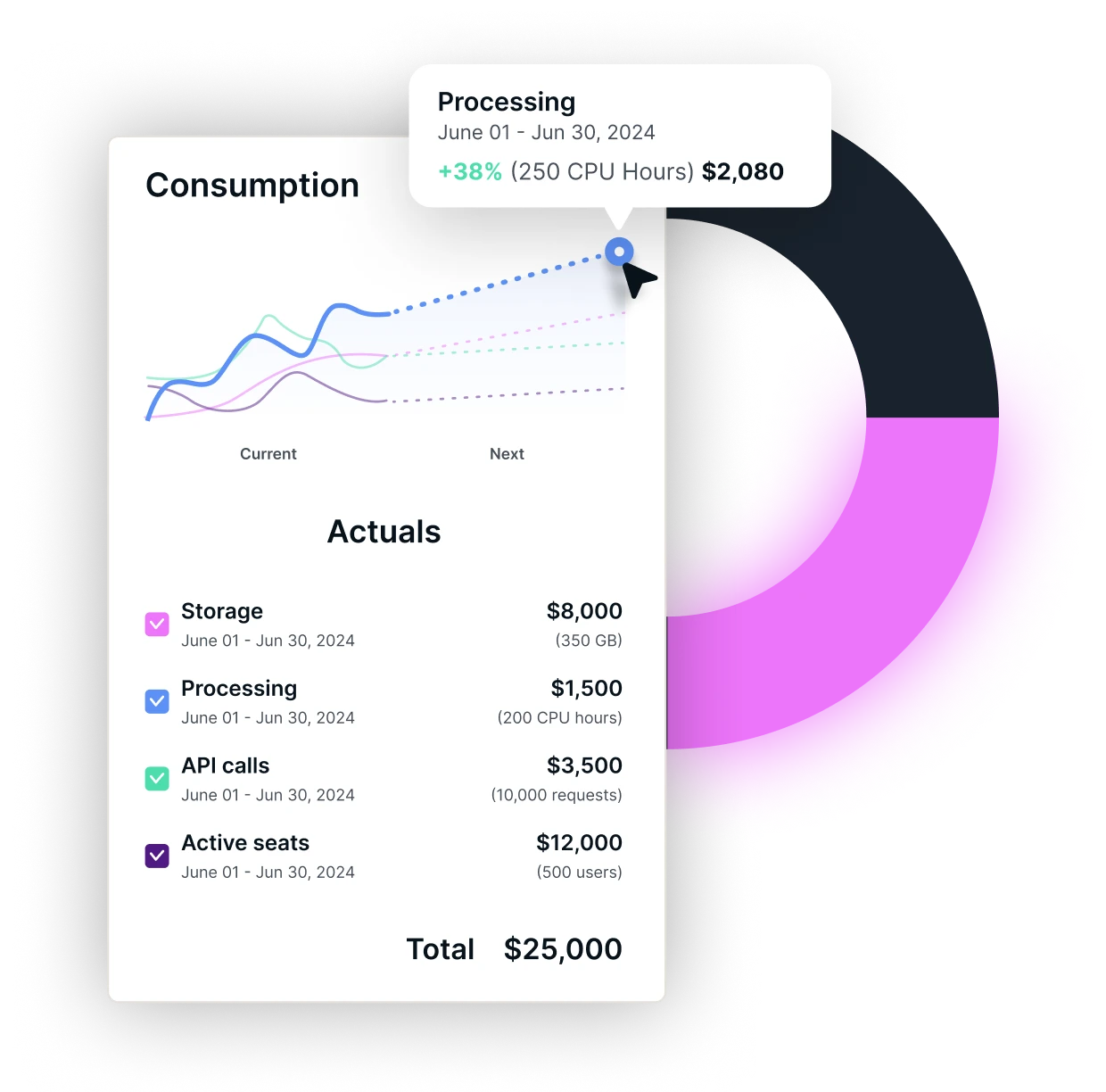
Add multi-dimensional rate cards to Salesforce

Enable advanced, flexible pricing strategies by pricing and rating your products based on multiple factors. Accordingly, Continuous seamlessly embeds these advanced pricing capabilities directly into Salesforce CPQ. Thus, it eliminates the need for standalone pricing systems and complex integrations.

  • API calls
  • Usage time
  • Data stored
  • Transactions processed

Offer prepayments, credits & flexible billing options in Salesforce CPQ

Offer prepayments, credits, and dynamic incentives that give customers the flexibility they need, all directly from Salesforce CPQ. Because Continuous ensures that your pricing and rating processes are efficient, scalable, and integrated within your existing Salesforce CPQ environment.

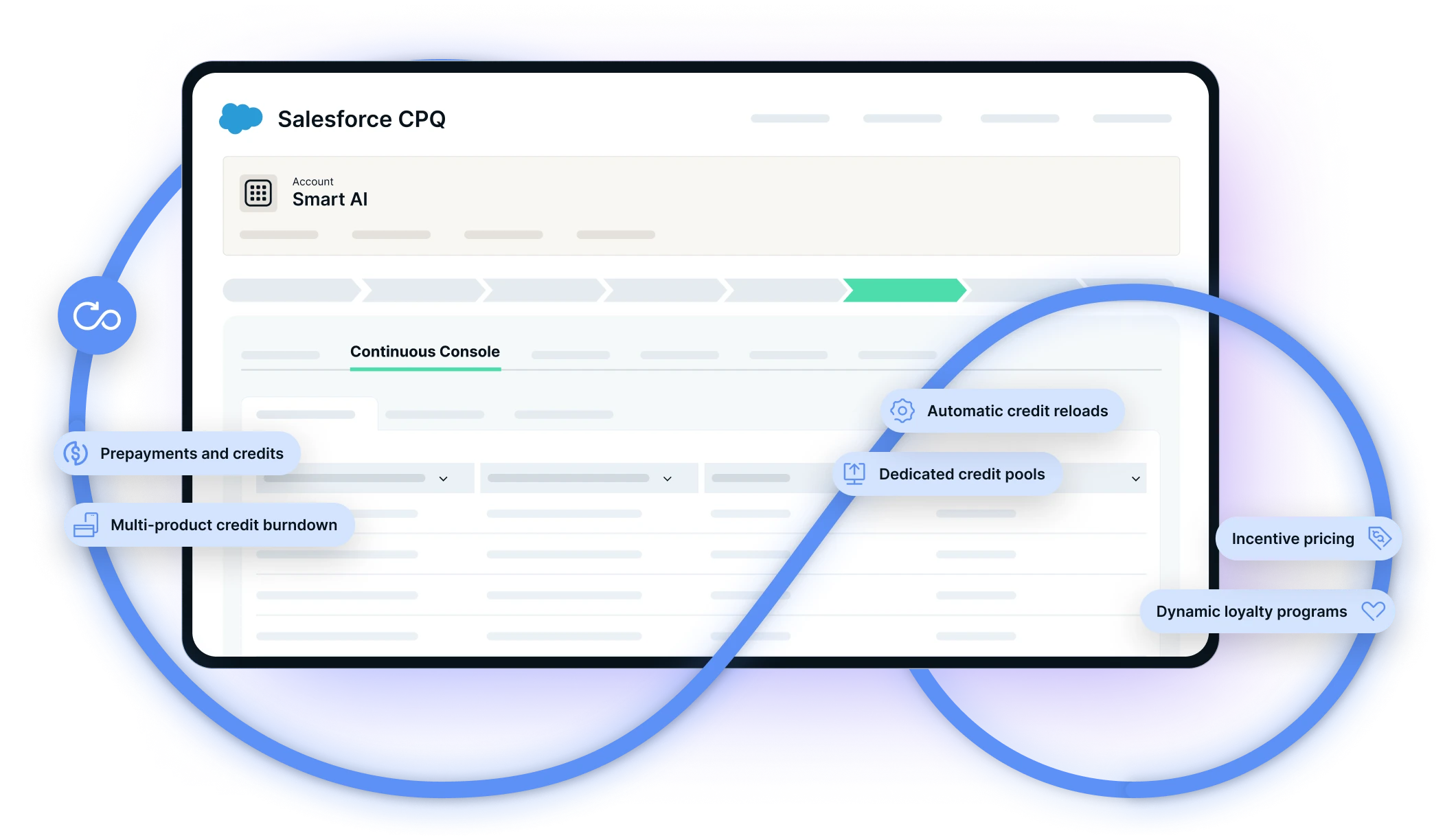
Prepayments and credits

Allow customers to purchase one-time credits or make recurring prepayments.

Multi-product credit burndown

Track credit usage in real-time across multiple products.

Dedicated credit pools

Allow customers to manage and use prepaid credits across different branches or subsidiaries.

Automatic credit reloads

Reload credits automatically based on your customer’s minimum balance threshold.

Dynamic loyalty programs

Award and track credits for loyalty or affinity programs.

Incentive pricing

Grant credits with progressively higher discounts based on the amount purchased.

Accelerate growth with variable & ramped usage-based pricing

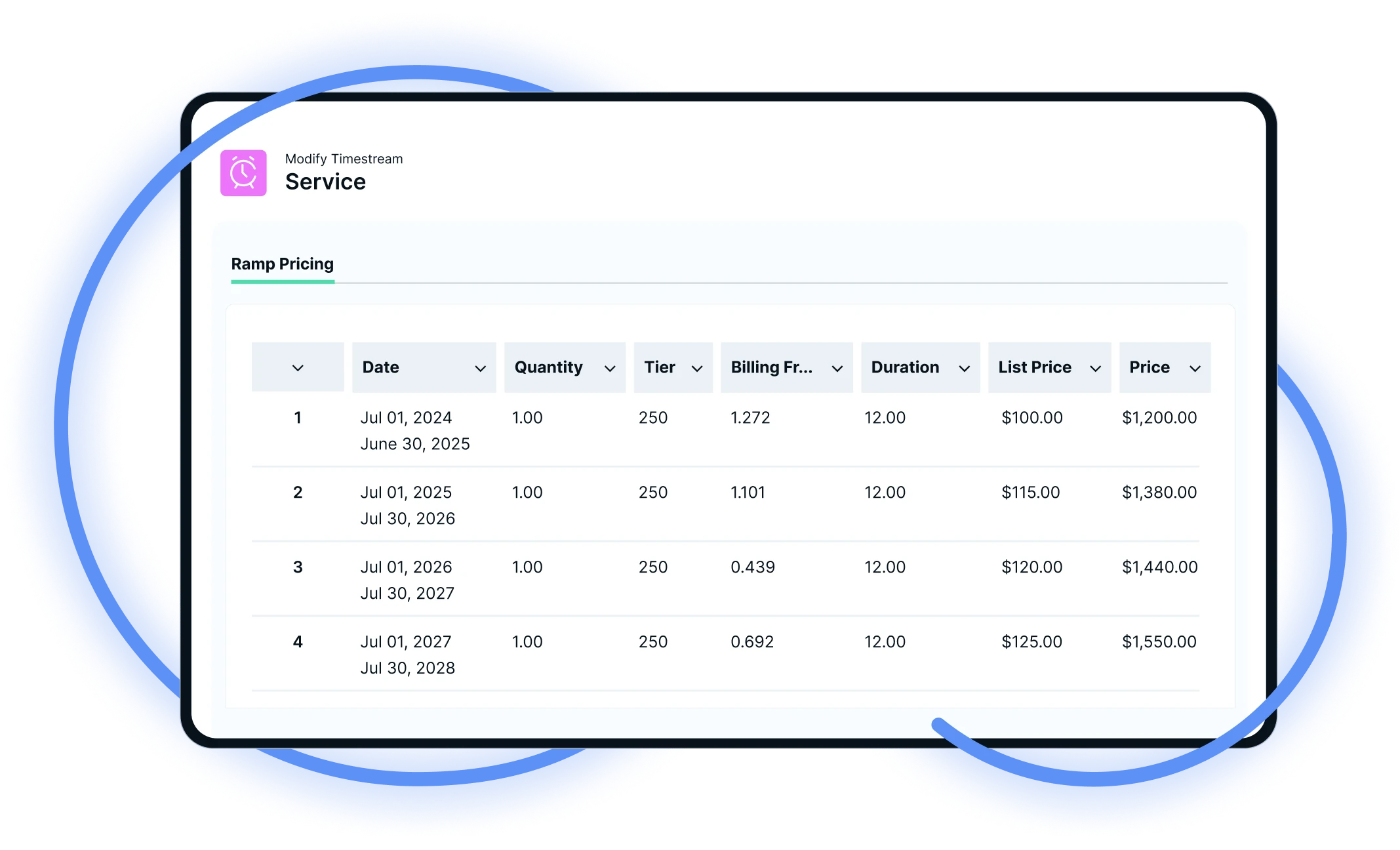
Boost acquisition and retention by offering customers ramped pricing based on distinct usage milestones. Specifically, increasing the cost gradually throughout the contract lifecycle. In fact, only Continuous makes it easy to amend contracts at any time. Because of this, the process of increasing revenue as usage grows is simplified.

Eliminate standalone billing — run everything in Salesforce CPQ

Continuous embeds advanced pricing and rating capabilities in your existing cloud in just a few clicks. Therefore, you gain the flexibility to implement powerful self-serve and PLG growth strategies while keeping your stack consolidated. Moreover, keep all of your consumption quoting in Salesforce. Then connect to Salesforce Billing or the ERP of your choice for seamless, simple workflows.

Find us on AppExchange

Frequently Asked Questions

From Teams Using Salesforce CPQ

Does Continuous replace Salesforce CPQ?

No. Salesforce CPQ remains your quoting system. Continuous runs alongside CPQ to govern complex pricing, usage, and credit logic that CPQ alone was not designed to manage at scale.

Can we support usage-based and hybrid revenue models in Salesforce CPQ?

Yes. Continuous enables pricing models that combine subscriptions, usage-based pricing, credits, ramps, and one-time charges while allowing CPQ to continue producing quotes using existing product catalogs and workflows.

What happens if we later move to Salesforce RCA or ARM?

Continuous is designed to support teams running Salesforce CPQ today and transitioning to Salesforce Revenue Cloud Advanced (Agentforce Revenue Management) in the future. The pricing and usage logic governed by Continuous carries forward, reducing rework and avoiding a full rebuild when migrating to RCA or ARM.

Do we need to replace Salesforce CPQ now that it’s end-of-sale?

No. End-of-sale means CPQ is no longer sold to new customers—not that it stops working. Existing customers will continue to receive support, giving teams time to plan instead of reacting under pressure.

Is moving from CPQ to RCA/ARM an upgrade?

No. RCA/ARM introduces a different operating model with fewer guardrails and greater architectural responsibility. Treating it as a lift-and-shift often leads to delays, rework, and avoidable complexity.

How long should teams plan for a CPQ EOS transition?

For most organizations, six to twelve months of preparation is realistic. That time includes catalog cleanup, process alignment, cross-functional readiness, and architectural planning—not just implementation.

Continuous Insights

How to Survive Your RCA Implementation
The Year Companies Finally Fix Quote-to-Cash
Revenue Management from Readiness to ROI
Embedded Revenue Infrastructure: The End of Standalone Billing

Enable usage and hybrid pricing without breaking CPQ